Is Berberine Worth the Cost? A Complete Cost-Benefit Analysis for 2026
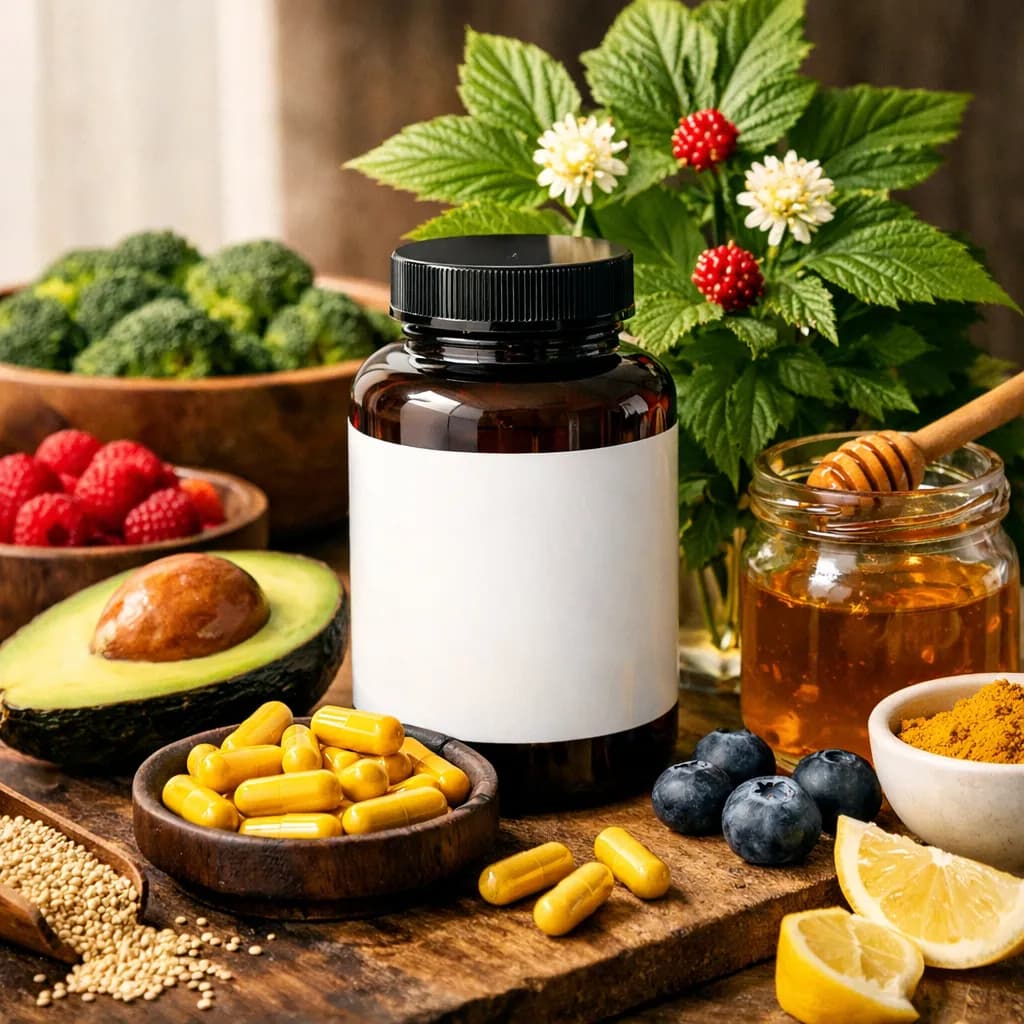
Berberine, a compound found in plants like goldenseal and barberry, has been a staple in traditional Chinese medicine for centuries. Now, modern science is uncovering its potential benefits for various health conditions, from diabetes to obesity to inflammation. But what does the cost-benefit analysis look like for this ancient remedy? Let's dive into what ten experts have to say about Berberine.
Want personalized, evidence-based supplement ideas? Try our Symptom Search.
Introduction
Berberine is an alkaloid, a type of plant compound with notable physiological effects on humans. It's found in several plants, including goldenseal (Hydrastis canadensis), barberry (Berberis vulgaris), and Oregon grape (Berberis aquifolium). As a traditional Chinese medicine, it's been used to treat various ailments for centuries [7].
What is Berberine?
Berberine works by activating an enzyme inside cells called adenosine monophosphate-activated protein kinase (AMPK) [7]. This enzyme, often referred to as a "metabolic master switch," regulates how the body uses energy. By activating AMPK, berberine can affect various bodily functions, from regulating cholesterol to controlling liver function and insulin sensitivity [7].
Benefits of Berberine
Diabetes Management
Berberine has shown promise for managing type 2 diabetes. A 2008 study found that it was as effective as the diabetes drug metformin at controlling blood sugar levels [1]. Another research discovered that berberine and probiotics could improve gut microbiome-related effects in type 2 diabetes patients [2].
Weight Loss and Obesity Management
Berberine might also help with weight loss and obesity management. A meta-analysis of randomized controlled trials found that berberine supplementation could reduce body weight, body mass index (BMI), and waist circumference [3].
Inflammation and Liver Function
Berberine may have anti-inflammatory effects and improve liver function. It's been found to be effective against inflammation-associated conditions like ulcerative colitis [4].
How to Use Berberine Effectively
Berberine is typically taken as a dietary supplement. The most common form is berberine hydrochloride, but berberine phospholipid has been shown to be an effective insulin sensitizer [6].
The typical dosage is 500 mg, taken 2-3 times per day before meals [5]. However, it's always important to follow the dosage instructions on the product label or consult with a healthcare professional.
Potential Side Effects and Considerations
While berberine is generally considered safe, it can cause side effects like diarrhea, constipation, gas, and stomach cramping. It may also interact with certain medications, so it's important to consult with a healthcare professional before starting any new supplement regimen [5].
Frequently Asked Questions
What is the best time to take Berberine? Berberine should be taken 2-3 times per day before meals [5].
Can Berberine help with diabetes? Yes, research has shown that berberine can be as effective as the diabetes drug metformin at controlling blood sugar levels [1].
How long does it take for Berberine to work? The effects of berberine may be noticeable within a few weeks, but it can take several months for the full benefits to be realized [5].
Does Berberine have any side effects? Yes, berberine can cause side effects like diarrhea, constipation, gas, and stomach cramping. It may also interact with certain medications [5].
Conclusion
Berberine has a long history in traditional medicine and modern research is now catching up to its potential benefits. From managing diabetes to aiding weight loss and reducing inflammation, berberine offers a wealth of health benefits. However, as with any supplement, it's important to consult with a healthcare professional before starting a new regimen.
References
[1] Yin J, Xing H, Ye J (2008). Efficacy of berberine in patients with type 2 diabetes mellitus.. Metabolism. PubMed: https://pubmed.ncbi.nlm.nih.gov/18442638/ [2] Zhang Y et al. (2020). Gut microbiome-related effects of berberine and probiotics on type 2 diabetes (the PREMOTE study).. Nat Commun. PubMed: https://pubmed.ncbi.nlm.nih.gov/33024120/ [3] Asbaghi O et al. (2020). The effect of berberine supplementation on obesity parameters, inflammation and liver function enzymes: A systematic review and meta-analysis of randomized controlled trials.. Clin Nutr ESPEN. PubMed: https://pubmed.ncbi.nlm.nih.gov/32690176/ [4] Zhu C et al. (2022). Berberine a traditional Chinese drug repurposing: Its actions in inflammation-associated ulcerative colitis and cancer therapy.. Front Immunol. PubMed: https://pubmed.ncbi.nlm.nih.gov/36561763/ [5] Moon JM et al. (2021). Absorption Kinetics of Berberine and Dihydroberberine and Their Impact on Glycemia: A Randomized, Controlled, Crossover Pilot Trial.. Nutrients. PubMed: https://pubmed.ncbi.nlm.nih.gov/35010998/ [6] Rondanelli M et al. (2021). Berberine Phospholipid Is an Effective Insulin Sensitizer and Improves Metabolic and Hormonal Disorders in Women with Polycystic Ovary Syndrome: A One-Group Pretest-Post-Test Explanatory Study.. Nutrients. PubMed: https://pubmed.ncbi.nlm.nih.gov/34684666/ [7] Bellavite P, Fazio S, Affuso F (2023). A Descriptive Review of the Action Mechanisms of Berberine, Quercetin and Silymarin on Insulin Resistance/Hyperinsulinemia and Cardiovascular Prevention.. Molecules. PubMed: https://pubmed.ncbi.nlm.nih.gov/37298967/ [8] Ge Q et al. (2024). Dietary supplements: clinical cholesterol-lowering efficacy and potential mechanisms of action.. Int J Food Sci Nutr. PubMed: https://pubmed.ncbi.nlm.nih.gov/38659110/
Disclaimer: This article is AI-generated for educational purposes only and is not a substitute for professional medical advice. Always consult with a healthcare provider before starting any supplement regimen.
Explore More Resources
Disclaimer: This article is AI-generated and for informational purposes only. While we strive for accuracy, the content may contain errors or omissions.
The information provided is not medical advice. Always consult with healthcare professionals before starting any supplement regimen or making changes to your health routine.
Important: The information provided in this article about Berberine is for educational purposes only. It is not intended to diagnose, treat, cure, or prevent any disease.
FDA Disclaimer: These statements have not been evaluated by the Food and Drug Administration. Supplements are not intended to diagnose, treat, cure, or prevent any disease.
Related Articles
Unlocking the Power of Vitamin B12: A Comprehensive Scientific Review
Delve into the science of Vitamin B12 with our comprehensive review, exploring its benefits and power for your health. Unlock wellness secrets now!
Unveiling the Sunlight Vitamin: A Scientific Review on Vitamin D
Uncover the power of Vitamin D in our in-depth scientific review. Discover its health benefits, sources, and vital role in your body's wellness. Dive in now!
Unlocking Vitamin E: Cutting-Edge Research & Proven Health Benefits
Discover the power of Vitamin E! Dive into cutting-edge research and explore its proven health benefits in our comprehensive guide. Start your wellness journey now!