Jumpstart Your Fitness: Beginner's Guide to Pre-Workout Supplements
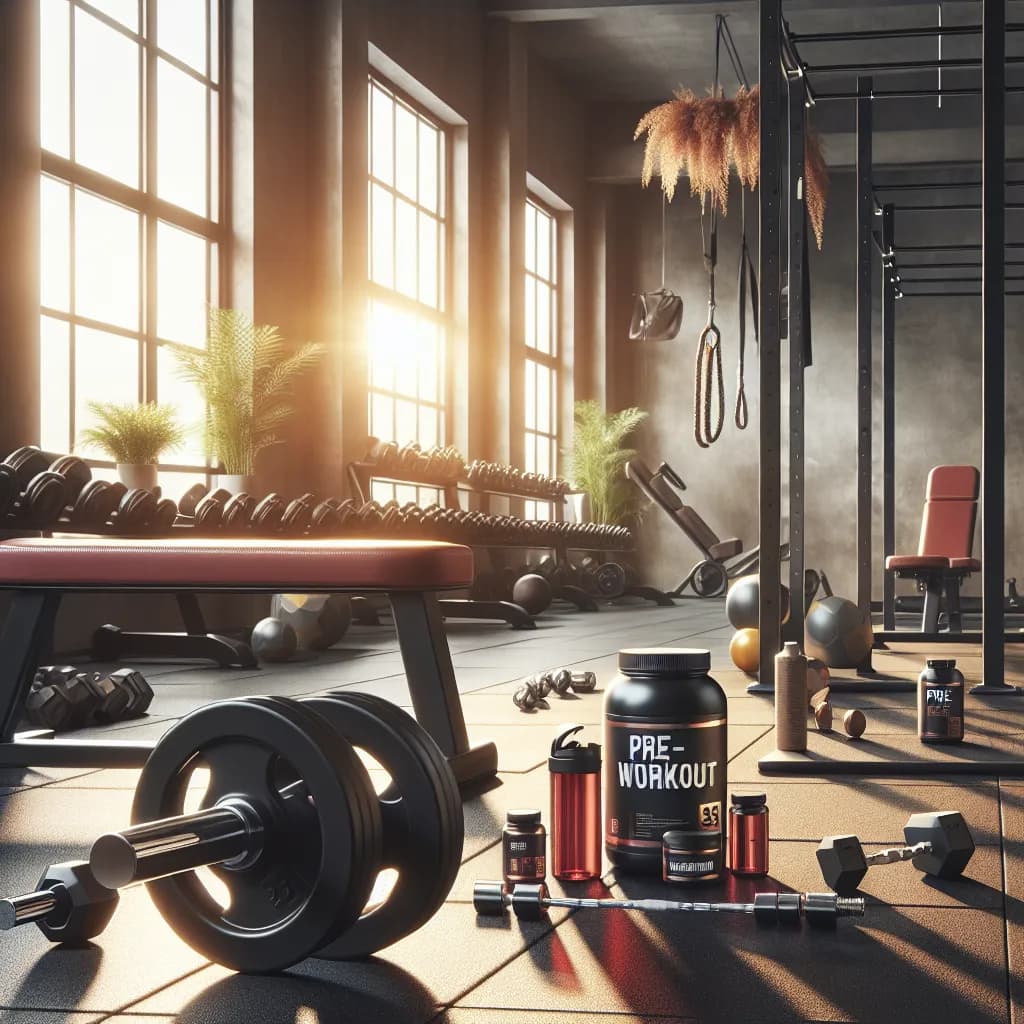
The Ultimate Guide to Pre-Workout Supplements for Beginners
Introduction
Imagine prepping for a marathon, but instead of breaking in new running shoes, you're lacing up a pair of worn-out sneakers. That's what trying to power through a workout without the right fuel can feel like. Enter: pre-workout supplements. They're like the premium gas that revs up your body's engine, helping you perform at your peak. But which ones should you use, and how? This comprehensive beginner's guide has got you covered!
What are Pre-Workout Supplements?
Pre-workout supplements are like a finely tuned pit-crew for your body, ready to supercharge your workout. They usually contain a cocktail of ingredients like caffeine for energy, amino acids for muscle growth, and beetroot powder for increased blood flow[1].
Three key ingredients to look for are:
Caffeine: It's not just for your morning brew. Caffeine can heighten alertness and delay fatigue[2].
Beta-Alanine: This amino acid can boost exercise performance and reduce muscle fatigue[3].
Creatine Monohydrate: This compound helps your muscles produce more energy, enhancing strength and power output[4].
Types of Pre-Workout Supplements
Pre-workouts come in various forms, like your favorite superheroes. They're available as powders, capsules, or ready-to-drink liquids. Powders are popular and can be mixed with water to create a pre-workout shake. Capsules are convenient for those always on the go, while liquids are a quick and easy option.
How to Choose a Quality Pre-Workout Supplement
Choosing a pre-workout supplement is like picking a winning racehorse - you need to know what to look for. High-quality supplements will have transparent labels with no proprietary blends, so you know exactly what you're getting. They should also be third-party tested for safety and purity, certified by organizations like NSF International or Informed Sport.
Recommended Brands and Products
Navigating the supplement market can feel like a maze. Here are three brands that stand out from the crowd:
NOW Foods: Known for their transparency and wide range of products.
Thorne: Renowned for their rigorous testing and high-quality ingredients.
Pure Encapsulations: They offer hypoallergenic, research-based dietary supplements.
Price ranges can vary, with entry-level products costing around $20, while premium ones can go up to $60 or more.
Proper Dosage and Timing
Timing is everything, even with pre-workouts. They're typically taken 15-30 minutes before exercise. Dosage can vary based on individual tolerance and the specific product, but a common recommendation is 150-300mg of caffeine, 2-5g of Beta-Alanine, and 3-5g of Creatine Monohydrate[5].
Potential Side Effects and Precautions
Like a rollercoaster ride, pre-workouts can sometimes come with side effects such as jitters, upset stomach, or difficulty sleeping. Always start with a low dose, and consult your healthcare provider if you have any health conditions or are taking medications.
Conclusion
Choosing and using pre-workout supplements doesn't have to be a Herculean task. With this guide, you're now equipped to fuel your workouts effectively. So go ahead, lace up those sneakers, and let your pre-workout do the rest!
Disclaimer: This article is for informational purposes only and does not constitute medical advice. Always consult with a healthcare provider before starting any new supplement.
References
[1]: Buford, T. W., Kreider, R. B., Stout, J. R., et al. (2007). International Society of Sports Nutrition position stand: creatine supplementation and exercise. Journal of the International Society of Sports Nutrition, 4(1), 6. DOI: https://doi.org/10.1186/1550-2783-4-6 [2]: Doherty, M., & Smith, P. M. (2005). Effects of caffeine ingestion on rating of perceived exertion during and after exercise: a meta‐analysis. Scandinavian journal of medicine & science in sports, 15(2), 69-78. DOI: https://doi.org/10.1111/j.1600-0838.2005.00445.x [3]: Hobson, R. M., Saunders, B., Ball, G., Harris, R. C., & Sale, C. (2012). Effects of β-alanine supplementation on exercise performance: a meta-analysis. Amino acids, 43(1), 25-37. DOI: https://doi.org/10.1007/s00726-011-1200-z [4]: Kreider, R. B. (2003). Effects of creatine supplementation on performance and training adaptations. Molecular and cellular biochemistry, 244(1-2), 89-94. PubMed: https://pubmed.ncbi.nlm.nih.gov/12701815/ [5]: American College of Sports Medicine. (2018). ACSM's Guidelines for Exercise Testing and Prescription. Lippincott Williams & Wilkins.
Disclaimer: This article is AI-generated for educational purposes only and is not a substitute for professional medical advice. Always consult with a healthcare provider before starting any supplement regimen.
Explore More Resources
Disclaimer: This article is AI-generated and for informational purposes only. While we strive for accuracy, the content may contain errors or omissions.
The information provided is not medical advice. Always consult with healthcare professionals before starting any supplement regimen or making changes to your health routine.
Important: The information provided in this article about supplements is for educational purposes only. It is not intended to diagnose, treat, cure, or prevent any disease.
FDA Disclaimer: These statements have not been evaluated by the Food and Drug Administration. Supplements are not intended to diagnose, treat, cure, or prevent any disease.
Related Articles

Scientific Review: Boost Your Summer Hydration with Key Supplements
Unlock the secret to staying hydrated this summer! Dive into our in-depth scientific review of top Summer Hydration Supplements. Stay healthy, naturally!
Unlock Value: Cost-Benefit Analysis of Pre-Workout Supplements
Uncover the true costs and benefits of Pre-Workout Supplements in our comprehensive guide. Boost your workouts intelligently. Read now!
Beginner's Guide: Boost Summer Hydration with Essential Supplements
Uncover the secrets to staying hydrated this summer! Explore our Beginner's Guide to Summer Hydration Supplements and enhance your wellness today.