Resveratrol: A Cost-Benefit Analysis of Nature's Powerhouse
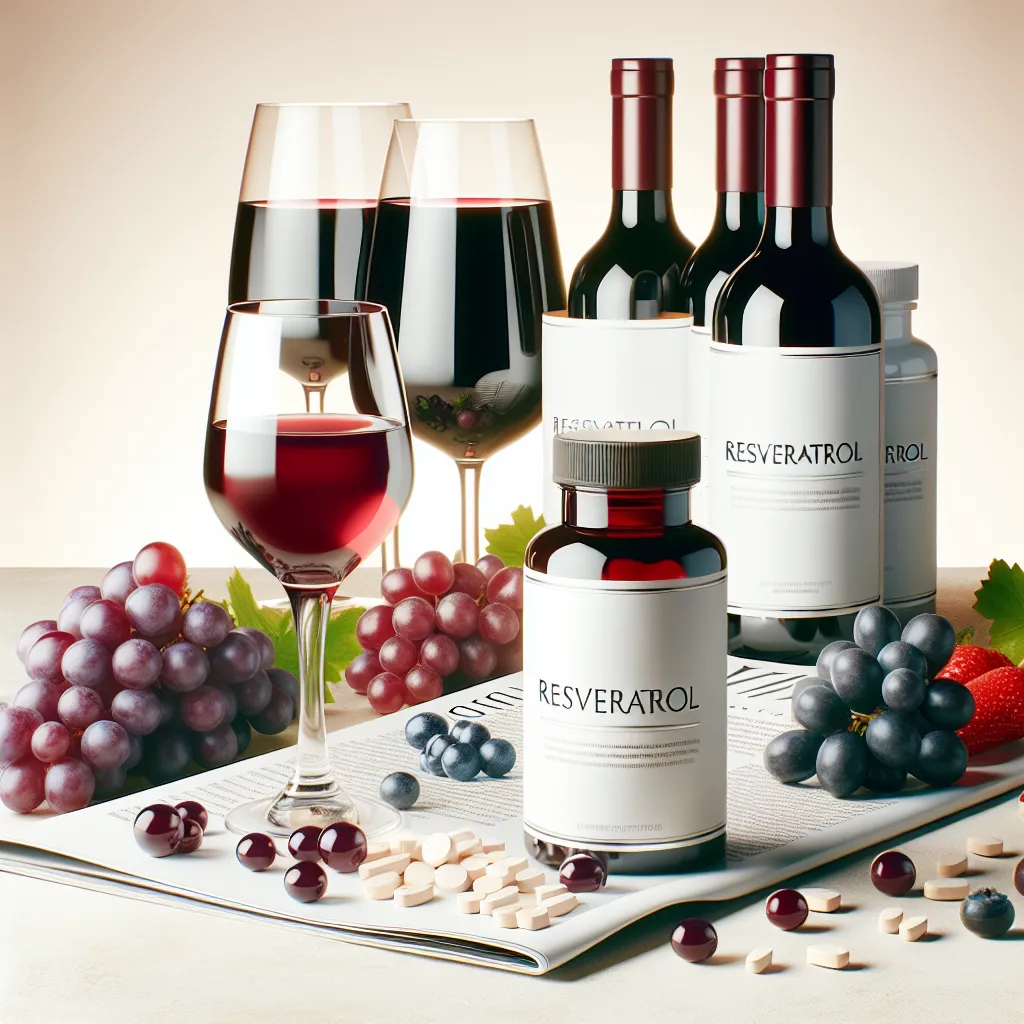
Is Resveratrol Worth the Hype?
Introduction
Picture this: you're at a dinner party and a friend starts raving about resveratrol, a supplement they've been taking religiously. They claim it's their secret to staying youthful and energetic. You're intrigued, but you're also a savvy consumer. You wonder, "Is resveratrol really worth the hype? And more importantly, is it worth the cost?" Let's delve into the science and find out.
What is Resveratrol?
Resveratrol is a plant compound, specifically a polyphenol, found in foods like red grapes, peanuts, and dark chocolate[1]. It's like the plant's personal bodyguard, protecting it from damage, disease, and UV radiation. When we consume resveratrol, it seems to put on a similar cape for us, acting as an antioxidant and anti-inflammatory agent in the body[2].
Benefits of Resveratrol
The most impressive evidence for resveratrol comes from heart health studies. It has been shown to reduce inflammation and "bad" LDL cholesterol, two major contributors to heart disease[3]. Studies also show potential benefits for brain health, with resveratrol promoting new connections between brain cells[4].
How to Use Resveratrol Effectively
Resveratrol can be obtained through diet or supplements. When taking a supplement, a typical dosage is between 150-500mg per day[5]. It's best taken with a meal to enhance absorption[6].
Potential Side Effects and Considerations
While resveratrol is generally well-tolerated, some people may experience side effects like nausea, diarrhea, and abdominal pain[7]. It also has potential interactions with certain medications, so always consult with a healthcare provider before starting any new supplement regimen.
Frequently Asked Questions
Does resveratrol really work? Research suggests that resveratrol can provide several health benefits, especially for heart and brain health[3][4]. However, more long-term studies in humans are needed.
Is resveratrol safe to take every day? Generally, yes. Side effects are rare and mostly mild[7]. However, always consult with a healthcare provider before starting any new supplement.
Conclusion
In the end, like a high-end sports car, resveratrol comes with both potential benefits and costs. It shows promising health benefits, but it's not a magic bullet. A balanced diet, regular exercise, and a healthy lifestyle are still your best bets for optimal health.
Disclaimer: This article is intended for informational purposes only. The content is not intended to be a substitute for professional medical advice, diagnosis, or treatment. Always seek the advice of your physician or other qualified health provider with any questions you may have regarding a medical condition.
References
[1]: Takaoka, M. (1939). Resveratrol, a new phenolic compound, from Veratrum grandiflorum. Journal of the Chemical Society of Japan. https://doi.org/10.1246/bcsj.14.1092
[2]: Berman, A. Y., Motechin, R. A., Wiesenfeld, M. Y., & Holz, M. K. (2017). The therapeutic potential of resveratrol: a review of clinical trials. NPJ Precision Oncology, 1(1). https://doi.org/10.1038/s41698-017-0038-6
[3]: Tomé-Carneiro, J., & Visioli, F. (2016). Polyphenol-based nutraceuticals for the prevention and treatment of cardiovascular disease: Review of human evidence. Phytomedicine, 23(11), 1145-1174. https://doi.org/10.1016/j.phymed.2016.06.018
[4]: Witte, A. V., Kerti, L., Margulies, D. S., & Flöel, A. (2014). Effects of resveratrol on memory performance, hippocampal functional connectivity, and glucose metabolism in healthy older adults. Journal of Neuroscience, 34(23), 7862-7870. https://doi.org/10.1523/JNEUROSCI.0385-14.2014
[5]: Patel, K. (2018). Resveratrol. Examine.com. https://examine.com/supplements/resveratrol/
[6]: Walle, T., Hsieh, F., DeLegge, M. H., Oatis Jr., J. E., & Walle, U. K. (2004). High absorption but very low bioavailability of oral resveratrol in humans. Drug metabolism and disposition, 32(12), 1377-1382. https://pubmed.ncbi.nlm.nih.gov/15333514/
[7]: Brown, V. A., Patel, K. R., Viskaduraki, M., Crowell, J. A., Perloff, M., Booth, T. D., Vasilinin, G., Sen, A., Schinas, A. M., Piccirilli, G., Brown, K., Steward, W. P., Gescher, A. J., & Brenner, D. E. (2010). Repeat dose study of the cancer chemopreventive agent resveratrol in healthy volunteers: safety, pharmacokinetics, and effect on the insulin-like growth factor axis. Cancer research, 70(22), 9003-9011. https://doi.org/10.1158/0008-5472.CAN-10-2364
Disclaimer: This article is AI-generated for educational purposes only and is not a substitute for professional medical advice. Always consult with a healthcare provider before starting any supplement regimen.
Explore More Resources
Disclaimer: This article is AI-generated and for informational purposes only. While we strive for accuracy, the content may contain errors or omissions.
The information provided is not medical advice. Always consult with healthcare professionals before starting any supplement regimen or making changes to your health routine.
Important: The information provided in this article about supplements is for educational purposes only. It is not intended to diagnose, treat, cure, or prevent any disease.
FDA Disclaimer: These statements have not been evaluated by the Food and Drug Administration. Supplements are not intended to diagnose, treat, cure, or prevent any disease.
Related Articles
Unlocking Resveratrol: Your Complete Guide to Dosage Rules
Discover the power of Resveratrol! Dive into our guide to understand dosage rules, benefits, and more. Unlock your health potential today!
Unveiling Choline: A Historical Journey through its Traditional Uses
Explore the fascinating history of Choline, a vital nutrient. Discover its traditional uses and the impact on your health. Dive in now!
Unveiling Vitamin D: Your Essential Supplement Guide for Optimal Health
Discover the power of Vitamin D in our essential guide. Learn how this crucial supplement can boost your health and well-being. Start your wellness journey today!