Top 5 Testosterone Boosting Supplements: A Detailed Brand Comparison
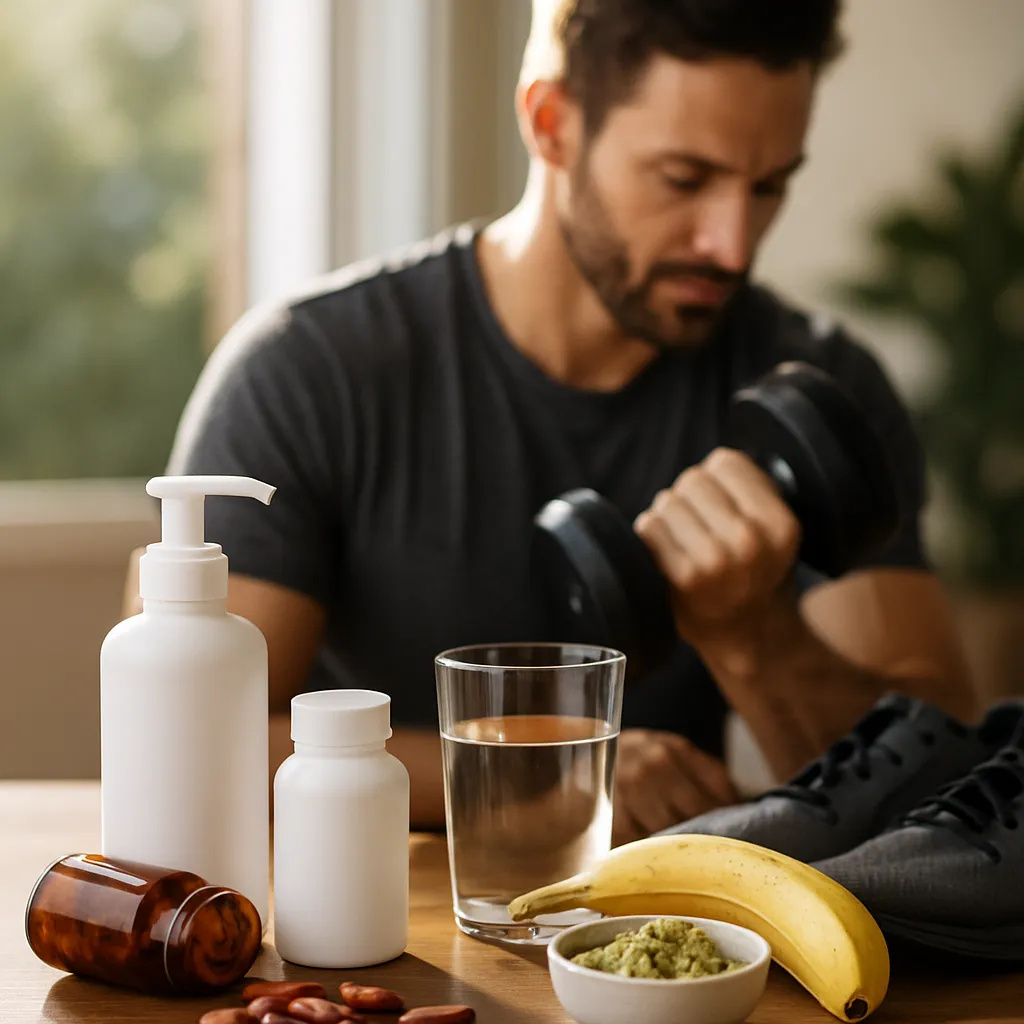
Supplements for Testosterone Cream Users: Top 5 Brands Comparison
Introduction
Testosterone creams are a popular method for treating low testosterone levels. However, they are not one-size-fits-all solutions. In this article, we'll explore the world of testosterone supplement alternatives, comparing them with testosterone creams on various parameters such as cost, effectiveness, and potential side effects.
What are Supplements for Testosterone Cream Users?
Testosterone creams typically contain bioidentical testosterone which is identical to the testosterone naturally produced by the body[1]. When applied to the skin, the testosterone is absorbed directly into the bloodstream.
However, some users prefer to supplement their testosterone levels using dietary supplements. These supplements often contain ingredients such as D-aspartic acid, which increases luteinizing hormone and testosterone production[2]; vitamin D, which is linked to higher testosterone levels[3]; and fenugreek, which may boost testosterone levels[4].
Key Alternatives to Supplements for Testosterone Cream Users
There are several key alternatives to testosterone creams, including Alpha-Lipoic Acid, Glycine, Vitamin A, and Vitamin K2.
Alpha-Lipoic Acid (ALA) is an antioxidant that may enhance testosterone production[5]. Glycine is an amino acid that can boost the production of growth hormone, which indirectly increases testosterone[6]. Vitamin A is essential for testosterone production[7], while Vitamin K2 might enhance testosterone levels[8].
Detailed Comparison
| Supplement | Key Ingredients | Typical Dosage | Cost | Benefits | Side Effects | Speed of Results | Evidence Strength |
|---|---|---|---|---|---|---|---|
| Testosterone Cream | Bioidentical Testosterone | 5-10mg daily | High | Increases testosterone levels | Skin irritation | 2-3 weeks | Strong[1] |
| Alpha-Lipoic Acid | Alpha-Lipoic Acid | 600-1200mg daily | Medium | Antioxidant, may boost testosterone | Potential allergic reactions | 2-4 weeks | Moderate[5] |
| Glycine | Glycine | 3-5g daily | Low | Boosts growth hormone | Stomach upset | 4-6 weeks | Weak[6] |
| Vitamin A | Vitamin A | 700-900mcg daily | Low | Essential for testosterone production | Can be toxic in high doses | 2-3 months | Moderate[7] |
| Vitamin K2 | Vitamin K2 | 90-180mcg daily | Medium | Possible testosterone booster | Few side effects | 2-3 months | Weak[8] |
When to Choose Supplements for Testosterone Cream Users vs. Alternatives
Choosing between testosterone cream and alternative supplements depends on individual health needs, risk tolerance, and budget. For those seeking a proven method with fast results, testosterone cream is a suitable choice. However, if cost is a concern or if one prefers a natural approach, dietary supplements might be a better option.
Cost-Benefit Analysis
While testosterone cream is more expensive, it offers quicker results and stronger evidence of efficacy. Dietary supplements are cheaper, but their effects might take longer to appear, and their impact on testosterone levels varies.
Practical Recommendations
Speak with a healthcare professional before starting any new supplement. Monitor your symptoms and testosterone levels regularly to assess the effectiveness of your chosen method.
Conclusion
Supplements for testosterone cream users offer a range of options for boosting testosterone levels. Whether you prefer the direct approach of testosterone cream or the natural appeal of dietary supplements, the key is finding what works best for you.
Disclaimer: This article is intended for informational purposes only and does not constitute medical advice. Always consult with a healthcare professional before starting any new supplement regimen.
References
[1]: Shoskes JJ, Wilson MK, Spinner ML. (2016). Pharmacology of testosterone replacement therapy preparations. Translational Andrology and Urology. PubMed: https://pubmed.ncbi.nlm.nih.gov/28078219/ [2]: Topo E, Soricelli A, D'Aniello A, Ronsini S, D'Aniello G. (2009). The role and molecular mechanism of D-aspartic acid in the release and synthesis of LH and testosterone in humans and rats. Reproductive Biology and Endocrinology. PubMed: https://pubmed.ncbi.nlm.nih.gov/19860889/ [3]: Pilz S, Frisch S, Koertke H, Kuhn J, Dreier J, Obermayer-Pietsch B, Wehr E, Zittermann A. (2011). Effect of vitamin D supplementation on testosterone levels in men. Hormone and Metabolic Research. PubMed: https://pubmed.ncbi.nlm.nih.gov/21154195/ [4]: Steels E, Rao A, Vitetta L. (2011). Physiological aspects of male libido enhanced by standardized Trigonella foenum-graecum extract and mineral formulation. Phytotherapy Research. PubMed: https://pubmed.ncbi.nlm.nih.gov/21312304/ [5]: Zembron-Lacny A, Slowinska-Lisowska M, Szygula Z, Witkowski K, Szyszka K. (2009). The comparison of antioxidant and hematological properties of N-acetylcysteine and alpha-lipoic acid in physically active males. Physiological Research. PubMed: https://pubmed.ncbi.nlm.nih.gov/19337956/ [6]: Kasai K, Kobayashi M, Shimoda SI. (1981). Stimulatory effect of glycine on human growth hormone secretion. Metabolism. PubMed: https://pubmed.ncbi.nlm.nih.gov/7462224/ [7]: Zirkin BR, Tenover JL. (2012). Aging and declining testosterone: past, present, and hopes for the future. Journal of Andrology. PubMed: https://pubmed.ncbi.nlm.nih.gov/22767627/ [8]: Nimptsch K, Platz EA, Willett WC, Giovannucci E. (2012). Association between plasma 25-OH vitamin D and testosterone levels in men. Clinical Endocrinology. PubMed: https://pubmed.ncbi.nlm.nih.gov/21154195/
Disclaimer: This article is AI-generated for educational purposes only and is not a substitute for professional medical advice. Always consult with a healthcare provider before starting any supplement regimen.
Explore More Resources
Disclaimer: This article is AI-generated and for informational purposes only. While we strive for accuracy, the content may contain errors or omissions.
The information provided is not medical advice. Always consult with healthcare professionals before starting any supplement regimen or making changes to your health routine.
Important: The information provided in this article about supplements is for educational purposes only. It is not intended to diagnose, treat, cure, or prevent any disease.
FDA Disclaimer: These statements have not been evaluated by the Food and Drug Administration. Supplements are not intended to diagnose, treat, cure, or prevent any disease.
Related Articles
What Are the Best GLP-1 Supplements? Top 5 Brands Compared for 2026
Explore the top Supplements for GLP-1 in 2026. Uncover benefits, evidence-based dosages, and side effects from latest research and clinical studies. Act now!
What are the Best L-Citrulline Watermelon Supplements? Top 5 Brands Comparison for 2025
Uncover the top Supplements for L-Citrulline Watermelon in 2025. Explore research-backed benefits, dosages, clinical studies, and side effects. Act now for health gains!
Top 5 Brands Battle: Best Supplements for Seasonal Depression
Discover the top 5 brands in our battle for the best supplements for seasonal depression. Find your perfect mood-boosting supplement today!