Unlocking Wellness: The Amazing Benefits and Uses of Vitamin K2

Vitamin K2 vs Berberine: Which is Better?
Introduction
If nutritional supplements were a sports team, Vitamin K2 and Berberine would be the star players. Both have been hailed for their health benefits, but it's time to put them head to head and see which one truly deserves the MVP title. Let's dive into the world of Vitamin K2 first.
What is Vitamin K2?
Vitamin K2, also known as menaquinone, is like the quarterback of your body's health. It's part of the Vitamin K family, which also includes Vitamin K1 (phylloquinone), but K2 is the star player. K2 primarily comes in two forms: MK-4 and MK-7[1].
Vitamin K2's main mechanism of action is activating proteins that keep calcium in the right places - your bones and teeth - and out of the wrong places - your arteries and soft tissues[2]. Imagine K2 as the team coach, directing players on where to go on the field.
Benefits of Vitamin K2
When Vitamin K2 is in the game, your body scores some major health points. Let's breakdown the science-backed benefits:
1. Bone Health: Vitamin K2 activates osteocalcin, a protein that binds calcium to bones. A 3-year study found that women taking 180 mcg of K2 daily had significantly improved bone mineral density[3].
2. Heart Health: By inhibiting calcium deposits in the arteries, K2 reduces the risk of heart disease. A 7-year study showed that every 10 mcg increase in K2 intake reduced heart disease risk by 9%[4].
3. Dental Health: K2 also activates protein matrix Gla, promoting tooth health by keeping calcium in your teeth[5].
How to Use Vitamin K2 Effectively
To get the most out of your Vitamin K2, here's the game plan:
Dosage: The recommended daily dose for K2 is 90-120 mcg for adults. For bone health, studies suggest a daily dose of 180 mcg[3].
Timing: K2 is fat-soluble, so it's best absorbed with a meal containing fat.
Forms: MK-7 is the most effective form as it stays in the body longer than MK-4[1].
Potential Side Effects and Considerations
Like a well-trained athlete, Vitamin K2 has few side effects. However, if you're on blood thinners like warfarin, K2 might interfere with the medication[6]. Always consult with your healthcare provider before starting any new supplement regimen.
Frequently Asked Questions
Can I get Vitamin K2 from food? Yes, Vitamin K2 is found in fermented foods, cheese, and meat, particularly in chicken and beef liver.
Can I take Vitamin K2 with other supplements? Yes, Vitamin K2 works well with other "team members" like Vitamin D and Magnesium.
Conclusion
In the tournament of nutritional supplements, Vitamin K2 proves to be a strong contender with its impressive benefits for bone, heart, and dental health. But remember, it's not just about picking the star player; it's about building a balanced team for your health.
Stay tuned for the next article where we'll explore Berberine and see how it stacks up against Vitamin K2.
References
[1]: Schurgers LJ, Vermeer C. (2000). Determination of phylloquinone and menaquinones in food. Haemostasis. DOI: https://doi.org/10.1159/000054147
[2]: Vermeer C. (2012). Vitamin K: the effect on health beyond coagulation - an overview. Food & Nutrition Research. DOI: https://doi.org/10.3402/fnr.v56i0.5329
[3]: Knapen MH, Schurgers LJ, Vermeer C. (2007). Vitamin K2 supplementation improves hip bone geometry and bone strength indices in postmenopausal women. Osteoporosis International. DOI: https://doi.org/10.1007/s00198-006-0257-9
[4]: Geleijnse JM, Vermeer C, Grobbee DE, Schurgers LJ, Knapen MH, van der Meer IM, Hofman A, Witteman JC. (2004). Dietary intake of menaquinone is associated with a reduced risk of coronary heart disease: the Rotterdam Study. The Journal of Nutrition. DOI: https://doi.org/10.1093/jn/134.11.3100
[5]: Schwalfenberg GK. (2017). Vitamins K1 and K2: The Emerging Group of Vitamins Required for Human Health. Journal of Nutrition and Metabolism. DOI: https://doi.org/10.1155/2017/6254836
[6]: Booth SL, Centi A, Smith SR, Gundberg C. (2013). The role of osteocalcin in human glucose metabolism: marker or mediator? Nature Reviews Endocrinology. DOI: https://doi.org/10.1038/nrendo.2012.201
Disclaimer: This article is for informational purposes only and is not a substitute for professional medical advice or treatment. Always consult your healthcare provider before starting any new supplement regimen.
Disclaimer: This article is AI-generated for educational purposes only and is not a substitute for professional medical advice. Always consult with a healthcare provider before starting any supplement regimen.
Explore More Resources
Disclaimer: This article is AI-generated and for informational purposes only. While we strive for accuracy, the content may contain errors or omissions.
The information provided is not medical advice. Always consult with healthcare professionals before starting any supplement regimen or making changes to your health routine.
Important: The information provided in this article about supplements is for educational purposes only. It is not intended to diagnose, treat, cure, or prevent any disease.
FDA Disclaimer: These statements have not been evaluated by the Food and Drug Administration. Supplements are not intended to diagnose, treat, cure, or prevent any disease.
Related Articles
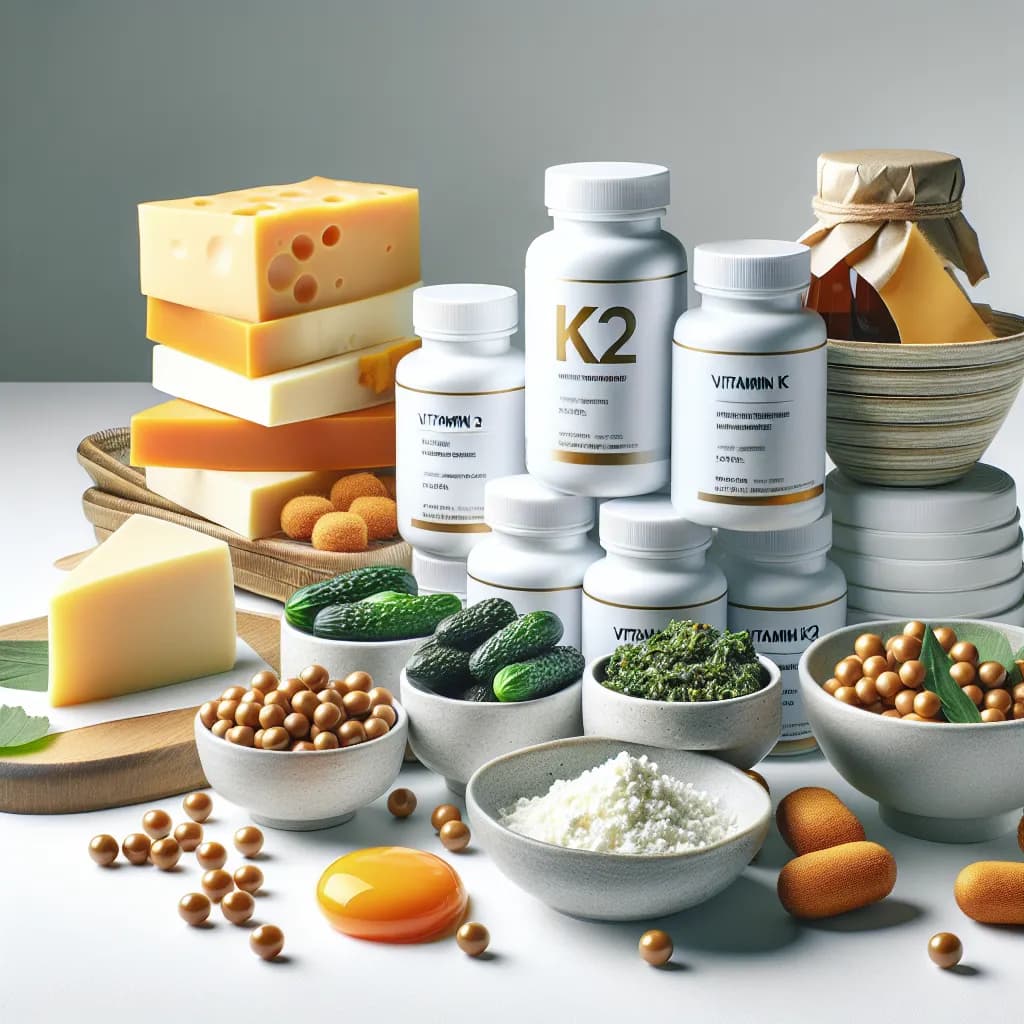
Unlocking Health Secrets: A Scientific Review on Vitamin K2 Benefits
Explore Vitamin K2's role in boosting health! Our article delves into the latest scientific research, uncovering the hidden benefits of this vital nutrient.
Unlocking Vitality: The Amazing Benefits and Uses of Vitamin E
Discover the power of Vitamin E! Unearth its incredible benefits and uses for vitality and health. Your journey to wellness starts here!
Unveiling Vitamin C: Side Effects and Precautions Uncovered!
Discover the untold truth about Vitamin C. From potential side effects to precautions, our in-depth analysis offers a complete guide. Dive in now!