Best Supplements for Dry Eyes: A Cost-Benefit Analysis for 2025
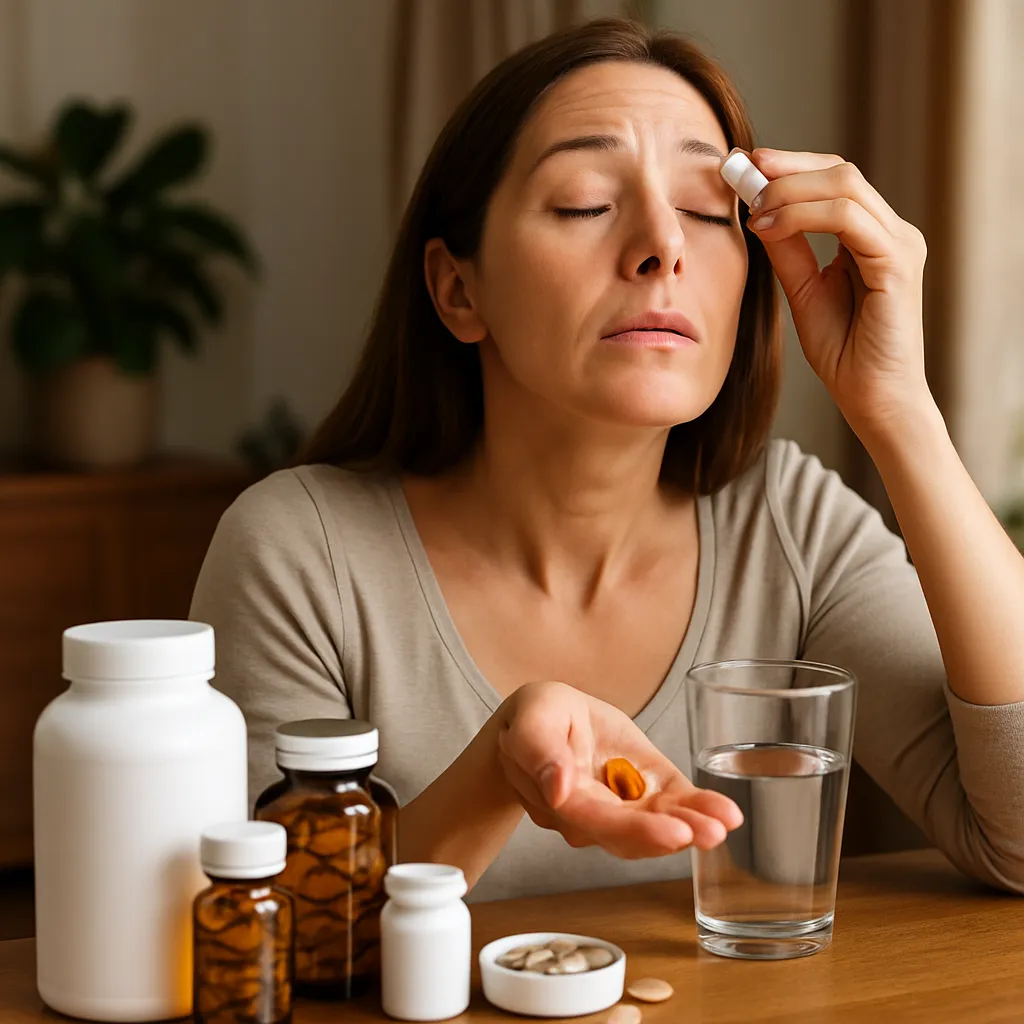
Dry eyes can be more than just an inconvenience. They can impact your quality of life, making it difficult to read, use a computer, or even drive. But what if a simple supplement could help alleviate your dry eye symptoms? In this blog post, we delve into the cost-benefit analysis of various supplements for dry eyes, providing an evidence-based approach to managing this common condition.
Understanding Dry Eyes (Causes and Mechanisms)
Dry eyes occur when your tears aren't able to provide adequate lubrication for your eyes. This can be due to decreased tear production, increased tear evaporation, or an imbalance in the makeup of your tears [1]. Inflammation of the ocular surface and eyelid can also contribute to dry eye symptoms [2].
Key Supplements for Dry Eyes
Several supplements have shown potential in managing dry eye symptoms. These include Omega-3 and Omega-6 fatty acids, castor oil, antioxidants, and certain nutritional supplements.
Omega-3 and Omega-6 Fatty Acids
These polyunsaturated fatty acids have anti-inflammatory properties and can help improve tear production and quality [4,8].
Castor Oil
Castor oil has been shown to have therapeutic potential in managing blepharitis, meibomian gland dysfunction, and dry eye by providing lubrication and reducing inflammation [2].
Antioxidants
Antioxidants can help combat oxidative stress, which is a contributing factor to eye aging and dry eye [6].
Nutritional Supplements
Certain nutrients, such as vitamins A, D, E, and B6, have been found to play a role in ocular surface health and may be beneficial for dry eye [5].
Evidence-Based Effectiveness Ranking
The strength of evidence for these supplements varies. Omega-3 and Omega-6 fatty acids have moderate to strong evidence supporting their use for dry eye [4,8]. Castor oil has moderate evidence [2], while antioxidants and nutritional supplements have weak to moderate evidence [5,6].
Creating an Effective Supplement Stack
For optimal effect, these supplements can be combined. Omega-3 and Omega-6 fatty acids can be taken together, as they work synergistically to improve tear quality [4]. Castor oil can be used as an eye drop for direct application [2]. Antioxidants and nutritional supplements can be taken orally to support overall eye health [5,6].
Proper Dosage and Timing
Dosage recommendations vary depending on the supplement. For Omega-3 and Omega-6 fatty acids, a daily dose of 1000-2000mg is often recommended [4]. Castor oil eye drops can be used 1-2 times daily [2]. For antioxidants and nutritional supplements, follow the manufacturer's instructions, as dosages can vary widely [5,6].
Complementary Lifestyle Approaches
In addition to supplements, lifestyle factors can enhance their effectiveness. This includes maintaining a balanced diet, staying hydrated, avoiding dry environments, and taking regular breaks when doing tasks that strain the eyes [1].
Potential Side Effects and Precautions
While generally safe, these supplements can have potential side effects. Omega-3 and Omega-6 fatty acids can cause gastrointestinal upset in some individuals [4]. Castor oil eye drops may cause temporary blurred vision [2]. Always consult with a healthcare professional before starting a new supplement regimen.
Conclusion
Dry eyes can be a real pain, but with the right supplements, relief is within reach. By understanding the cost-benefit analysis of each option, you can make an informed decision about which supplements are right for you. Remember, it's not just about taking supplements; a holistic approach that includes lifestyle changes can enhance their effectiveness. So why wait? Try the Symptom Search today.
References
[1]: Jones L et al. (2025). TFOS DEWS III: Management and Therapy.. Am J Ophthalmol. PubMed: https://pubmed.ncbi.nlm.nih.gov/40467022/ [2]: Sandford EC, Muntz A, Craig JP (2021). Therapeutic potential of castor oil in managing blepharitis, meibomian gland dysfunction and dry eye.. Clin Exp Optom. PubMed: https://pubmed.ncbi.nlm.nih.gov/33037703/ [3]: Giannaccare G et al. (2019). Reply.. Cornea. PubMed: https://pubmed.ncbi.nlm.nih.gov/31356417/ [4]: Downie LE et al. (2019). Omega-3 and omega-6 polyunsaturated fatty acids for dry eye disease.. Cochrane Database Syst Rev. PubMed: https://pubmed.ncbi.nlm.nih.gov/31847055/ [5]: Pellegrini M et al. (2020). The Role of Nutrition and Nutritional Supplements in Ocular Surface Diseases.. Nutrients. PubMed: https://pubmed.ncbi.nlm.nih.gov/32235501/ [6]: Choo PP et al. (2022). Review of Evidence for the Usage of Antioxidants for Eye Aging.. Biomed Res Int. PubMed: https://pubmed.ncbi.nlm.nih.gov/36225983/ [7]: Giannaccare G et al. (2019). Reply.. Cornea. PubMed: https://pubmed.ncbi.nlm.nih.gov/31397732/ [8]: Bhargava R et al. (2023). Omega-3 fatty acids supplements for dry eye - Are they effective or ineffective?. Indian J Ophthalmol. PubMed: https://pubmed.ncbi.nlm.nih.gov/37026312/
Disclaimer: This article is AI-generated for educational purposes only and is not a substitute for professional medical advice. Always consult with a healthcare provider before starting any supplement regimen.
Explore More Resources
Disclaimer: This article is AI-generated and for informational purposes only. While we strive for accuracy, the content may contain errors or omissions.
The information provided is not medical advice. Always consult with healthcare professionals before starting any supplement regimen or making changes to your health routine.
Important: The information provided in this article about Supplements for Dry Eyes is for educational purposes only. It is not intended to diagnose, treat, cure, or prevent any disease.
FDA Disclaimer: These statements have not been evaluated by the Food and Drug Administration. Supplements are not intended to diagnose, treat, cure, or prevent any disease.
Related Articles

Power Up Safely: Interactions of Energy-Boosting Supplements & Medications
Uncover the truth about Supplements for Energy! Learn about their safety, interactions with medications, and how to power up without health risks.

What Are the Best Supplements for Procrastination? Expert Consensus Statement 2026
Unlock the best Supplements for Procrastination! Get evidence-based benefits, research-backed dosage, clinical studies, and side effects info. Act Now!
Unleash Your Vitality: Top Food-Based Energy Supplements Unveiled
Unlock your peak performance with our top Supplements for Energy. Discover food-based options to naturally boost vitality and conquer your day!